
Agricultural Films: Real Productivity Boost or Just a Myth?
26 Nov 2023
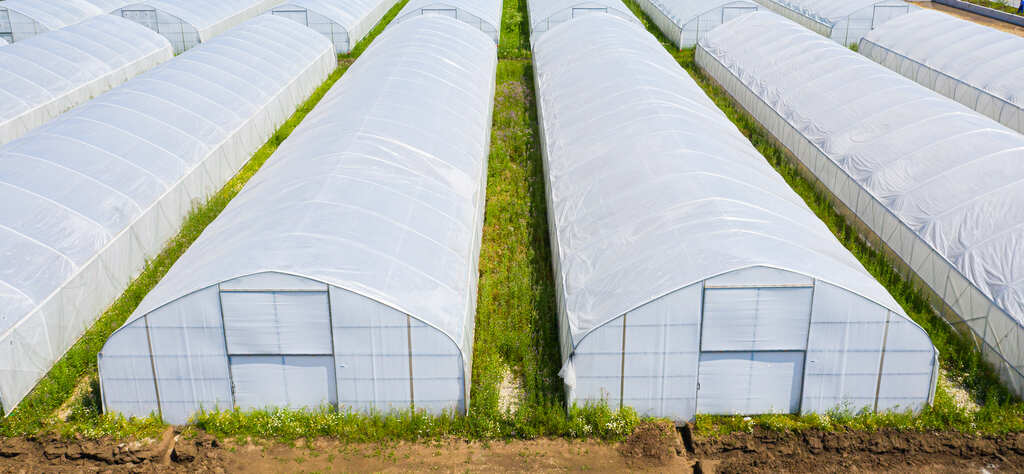
Most people are familiar with plastics in everyday life—used for food and beverage packaging, bags, or outdoor furniture. But did you know that plastics also play an important role in agriculture? They help boost productivity and effectively reduce costs. This is what we call “agricultural film.”
Agricultural Films Not Only Support Farming — They Add Value to Your Produce
Plastic is one of the most versatile inventions ever created, crafted for countless applications. Beyond everyday items, packaging, and industrial components, plastics also play a vital role in agriculture — widely known as agricultural films.
Agricultural films are plastics specifically designed for farming applications, such as greenhouse covers, mulch films, seedling bags, planting trays, and other related products. These films do more than simply assist in cultivation; they increase the value of agricultural produce, reduce the need for chemical pesticides, and improve both yield quality and appearance — ultimately helping farmers achieve better market value.
Successful farming requires far more than favorable weather conditions and access to adequate water resources. Farmers need to manage crop environments daily — including moisture, temperature, and soil nutrients — to ensure healthy growth and optimal yields.
Greenhouse cultivation is one key innovation that enables farmers to control the growing environment more precisely. While greenhouses were traditionally built with costly glass, the development of plastic greenhouse films made the technology more affordable while maintaining high performance. Beyond greenhouse covers, plastic mulch films are also used to control weeds and moisture, reducing farming costs and minimizing exposure to harmful chemicals.
Because of these advantages, manufacturers have continuously developed agricultural films to be more durable, efficient, and environmentally friendly — creating sustainable solutions that help reduce pollution in the long run.
Case Study: How France Uses Agricultural Films to Outperform Unpredictable Weather
France, known for its rapidly shifting climate, is one of the countries where agricultural films have become essential. Farmers use these films to protect crops from harsh weather fluctuations and pests, helping accelerate plant growth and increase yields.
Crops commonly grown with agricultural films in France include corn, melons, beans, and potatoes — all of which benefit from earlier harvesting when compared to conventional open-field farming.
Choosing the Right Agricultural Film Can Boost Yield and Quality
Today, many types of agricultural films are designed to suit different purposes — helping create optimal growing conditions and prevent pest damage. The result is larger, healthier produce with greater market value.
GreenhouseFilms
Historically, greenhouses were made of glass, making them expensive to build. Plastic films later emerged as a cost-effective alternative while delivering similar results.
Greenhouse films are now widely used in the U.S., Europe, Japan, and Thailand. They effectively control humidity and temperature, protect crops from pests and diseases, allow year-round cultivation, and significantly reduce pesticide use.
There are two main types:
- High greenhouse covers — tall enough for people to work inside.
- Low tunnel covers — smaller tunnels about one meter high.
MulchFilms
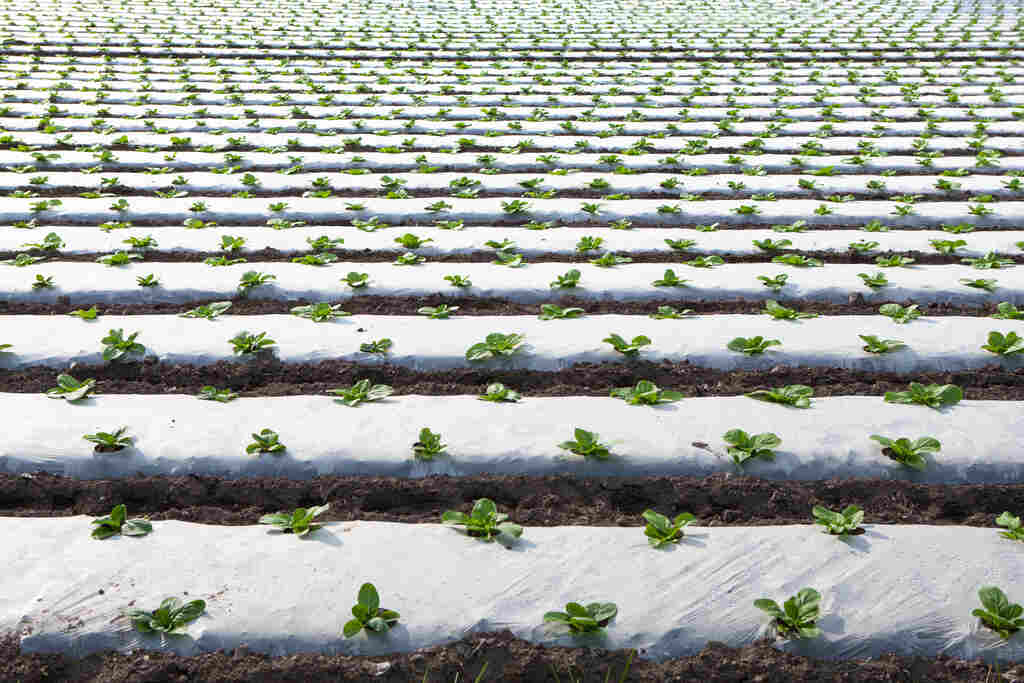
Mulch films are among the most commonly used agricultural plastics. They help maintain soil moisture and suppress weeds that compete with crops for nutrients.
They come in two primary types:
- Transparent mulch film — ideal for young plants as it allows sunlight to pass through.
- Colored mulch film (usually black/silver) — used to control weeds. The black side faces the soil to retain moisture, while the silver side reflects light to aid photosynthesis and deter pests.
ShadeNets&InsectNets
Often referred to simply as “netting,” these mesh fabrics protect crops from pests and regulate sunlight. They help reduce chemical usage, improve safety for farmers and consumers, and add value to marketable produce.
Various mesh sizes are available depending on crop type and pest species. Choosing a mesh that is too fine may restrict airflow or light, potentially affecting crop growth — so proper selection is crucial.
InnovationsinEco-FriendlyAgriculturalFilms
While agricultural films offer significant benefits, plastic residues can still accumulate in the environment if not properly managed. Today, new innovations help address this issue.
Eco-Mulch Film(Soil-Biodegradable Mulch)
Microplastic pollution is a growing environmental concern. Eco-mulch films are designed to biodegrade in soil, allowing farmers to plow them directly into the ground after harvest.
Benefits include:
- Reduced labor from film removal
- Improved soil quality
- No long-term environmental impact
Agricultural Films Made from Recycled Plastic
Plastic recycling is a key approach to reducing global plastic waste. GC has developed plastic resins suitable for agricultural films that can be recycled again after use — supporting a circular economy and reducing environmental impact.
Creating optimal growing conditions while minimizing pesticide use is a modern approach to safe, environmentally conscious farming. This method reduces costs and increases yields effectively.
GC, one of Thailand’s leading plastic resin producers, is committed to supporting the country’s agricultural sector through innovations in high-quality, durable, and sustainable agricultural film materials — helping reduce environmental impacts and ensuring long-term agricultural productivity.
References
- Agricultural Film Product Information, Retrieved October 18, 2023 https://productsandsolutions.pttgcgroup.com/th/solutions/agricultural-film
- Polymers in Greenhouse Film Applications, Retrieved October 18, 2024 https://www.mtec.or.th/post-knowledges/32991/
- Types of Films Used in the Agriculture Sector, Retrieved October 18, 2023 https://www.palvimasterbatches.com/blog/types-of-films-used-in-agriculture-sector
- Soil-Biodegradable Mulch Films for Sustainable Food Production, Retrieved October 18, 2023 https://agriculture.basf.com/global/en/business-areas/crop-protection-and-seeds/agricultural-films.html
- Eco-friendly Mulch Films, Retrieved October 18, 2023 https://www.research.chula.ac.th/th/news/6696/
- Understanding Insect Nets, Retrieved October 18, 2023 https://www.hrdi.or.th/articles/Detail/1528
- Agricultural Films: Sustainable Plastic Use in Agriculture, Retrieved October 18, 2023 https://bisresearch.com/news/agricultural-films-making-a-sustainable-use-of-plastic-in-the-agriculture-industry