
PCR PET: Giving Used Plastics a New Life for 100% Safe Food and Beverage Packaging
26 Nov 2023
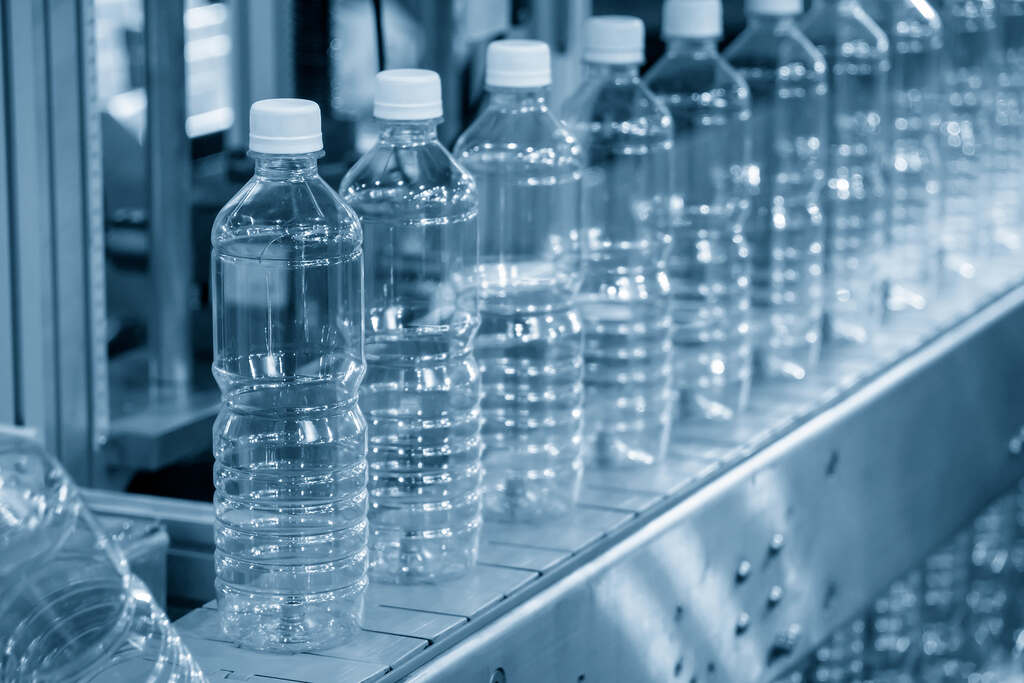
Today, plastic waste has become one of the world’s most pressing environmental issues. Beyond reducing plastic consumption, proper waste separation and recycling are among the most effective solutions. In this article, we introduce Post-Consumer Recycled Resin PET, or PCR PET—a Food-Grade recycled plastic that can safely be used for water and food packaging, offering 100% safety.
Overflowing Plastic Waste: Less Than 10% Is Recycled
Plastic has long been a material that brings convenience to our daily lives. It exists in far more places than we realize—computers, car parts, phone cases, pens, fans, and, of course, food and beverage packaging.
The world produces and consumes massive amounts of plastic each year, especially single-use plastics. Alarmingly, less than 10% of global plastic waste is properly managed and recycled, resulting in widespread contamination in the environment. This has led to global movements encouraging plastic reduction and increased use of recycled plastics.
Where Does the Rest of the Plastic Go?
More than 85% of plastic waste ends up in landfills, where it can take hundreds of years to degrade. Some of it breaks down into microplastics that pollute ecosystems, wash into oceans, and ultimately make their way into the food chain—affecting both humans and animals.
How Much Plastic Does the World Produce Each Year?
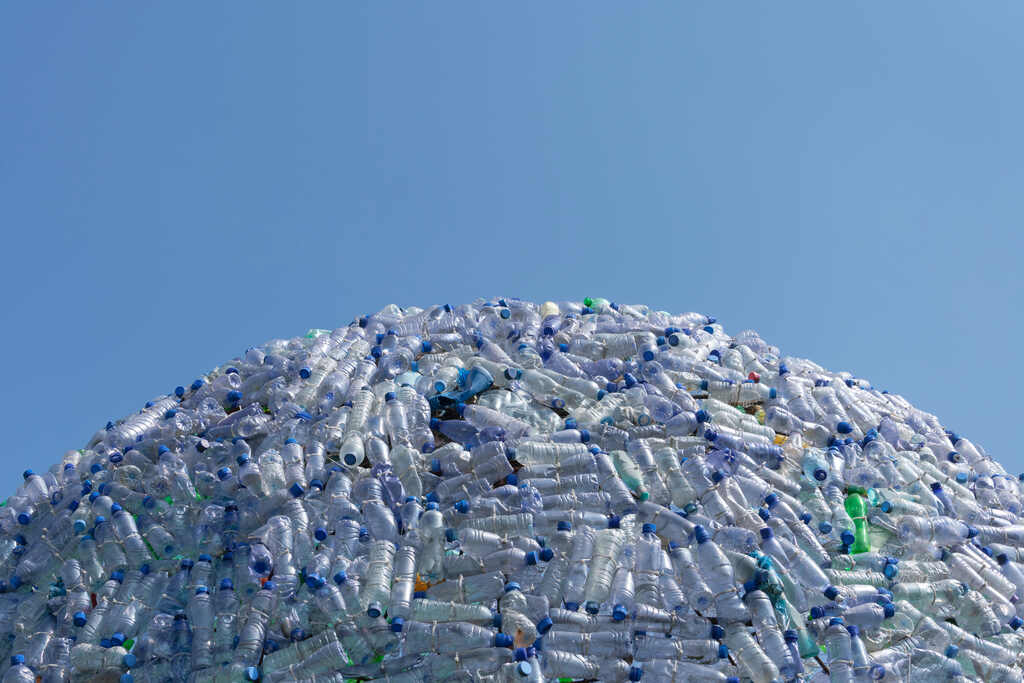
In 2019, the world produced 460 million metric tons of plastic. Since plastic production began in 1950, global usage has increased every year. Today, accumulated plastic waste has surpassed 8.5 billion tons, equivalent to the weight of 25,000 Empire State Buildings.
If we fail to take collective action, the vision of Earth becoming a “plastic planet” may not be far off.
What Is PCR PET, and How Can It Change the World?
Global brands, especially large-scale producers, are actively seeking ways to reduce plastic use in their packaging. One of the most promising solutions is using recycled plastic—specifically high-quality, safe, and clean recycled PET.
PCR PET (Post-Consumer Recycled Resin PET) is made from used PET bottles, commonly found in single-use food and beverage packaging. These bottles go through a thorough cleaning process, material sorting, crushing, and remelting to produce new plastic pellets. The result is Food-Grade recycled PET that is safe for direct contact with food and beverages, with no risk to consumer health.
What Makes Plastic “Food Grade”?
Food-Grade plastic is safe for contact with food and beverages and contains no harmful residues. Both virgin and recycled Food-Grade plastics must be certified by the Food and Drug Administration (FDA). Consumers can identify such products by looking for the “Food Safe” symbol—a wine glass and fork icon—on the packaging.
Giving PET Plastics a New Life
PET plastic is widely used today because it is safe for food contact and has excellent clarity, making packaging visually appealing. It is typically used for single-use food and beverage containers.
This is why effective PET recycling can significantly reduce plastic waste. PCR PET not only transforms used plastic into valuable material again but also raises the recycling standard by enabling the production of Food-Grade recycled plastic. This helps reduce plastic waste in two ways:
- Reusing discarded plastic
- Reducing the need for new (virgin) plastic production
However, efficient recycling requires collaboration from all stakeholders:
- Plastic producers must ensure high-quality PCR PET production
- Brand owners must commit to reducing plastic waste and greenhouse gas emissions
Consumers must choose eco-friendly packaging and practice proper waste separation
Together, these actions help reduce single-use plastic waste and prevent environmental contamination.
Global Beverage Brands Have Already Started Are You Ready to Join?
While avoiding all single-use plastic may not be possible, we can still choose more environmentally friendly options. Consumer awareness and brand commitment are key drivers of change.
Many leading global beverage brands that rely on PET bottles are now embracing 100% PCR PET to support Bottle-to-Bottle Recycling. Many brands also collaborate with partners to set up PET bottle collection bins, encouraging proper waste sorting and reducing contamination—ensuring bottles can be recycled effectively and safely.
For business owners seeking high-quality, food-safe, and environmentally responsible packaging, PCR PET is the answer. You can contact GC and ENVICCO, Thailand’s leading producers of premium recycled plastic pellets. As innovators in sustainability, we offer tailored solutions to support your business and reduce plastic waste.
References
- “ENVICCO and PepsiCo launch the first use of InnoEco PCR PET in Thailand.” Retrieved October 17, 2023. https://productsandsolutions.pttgcgroup.com/th/market-movement/ldquo-envicco-และ-เป๊ปซี่-เปิดตัวการใช้งานเม็ดพลาสติก-innoeco-pcr-pet-ครั้งแรกในไทย-rdquo
- “GC and ENVICCO host seminar: ‘InnoEco PCR PET by ENVICCO for Food Packaging: 1st Thai FDA Approved’.” Retrieved October 17, 2023. https://www.pttgcgroup.com/th/newsroom/news/1262/gc-และ-envicco-จัดงานสัมมนา-innoeco-pcr-pet-by-envicco-for-food-packaging-1st-thai-fda-approved
- “For the first time in Thailand: GC develops high-quality, Food-Grade recycled plastic pellets certified by the Thai FDA.” Retrieved October 17, 2023. https://ngthai.com/news-activity/48150/pcr-pet-gc/
- “The world flooded with plastics after 65 years of production.” Retrieved October 17, 2023. https://www.bbc.com/thai/international-40678972
- “Recycling Facts and Stats from Around the World.” Retrieved October 17, 2023. https://www.cartakebackaust.com/blog/in-the-know/recycling-facts-and-stats-from-around-the-world
- “Why most plastic can’t be recycled.” Retrieved October 17, 2023. https://www.dw.com/en/why-most-plastic-cant-be-recycled/a-64978847
- “Main uses of PET, the king of plastic materials.” Retrieved October 17, 2023. https://www.repetco.com/main-uses-of-pet-the-king-of-plastic-materials/