
What Are Intermediate Bulk Containers? and How to Choose the Right One?
31 Oct 2023
Key Features of a Safe and Reliable Intermediate Bulk Container or IBC
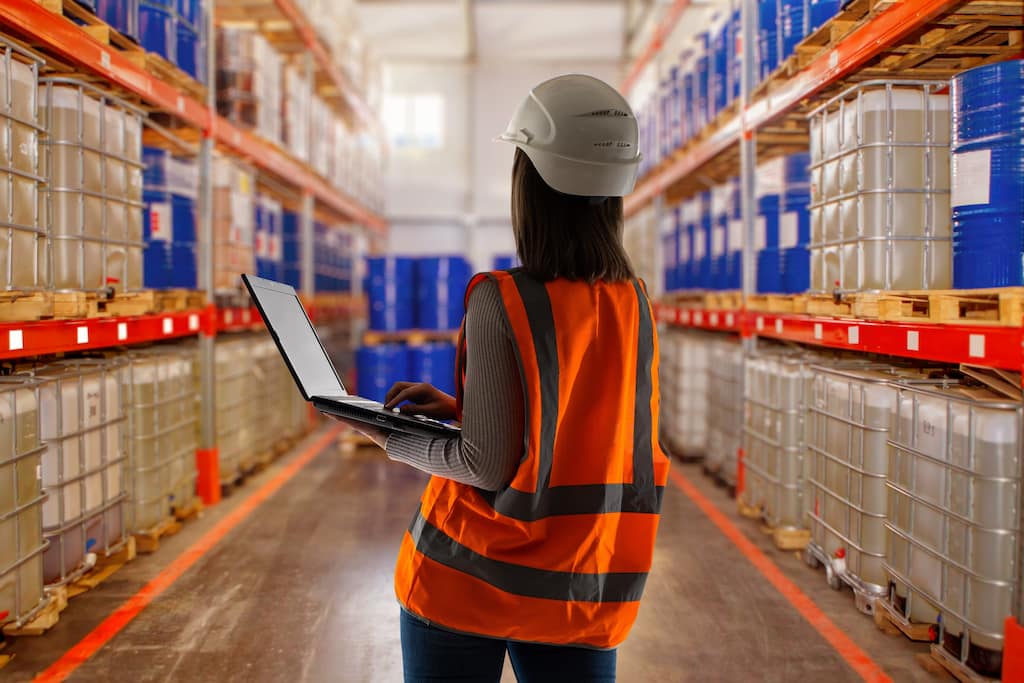
Chemical storage tanks are essential packaging used in both industrial operations and small businesses. These tanks are designed to be strong, durable, and resistant to corrosion to prevent leaks and environmental contamination.
Among various materials used to produce chemical tank, High Density Polyethylene (HDPE) is one of the most popular choices because it provides excellent strength and high chemical resistance, making it suitable for long-term storage of many types of chemicals
What Is Intermediate Bulk Container?
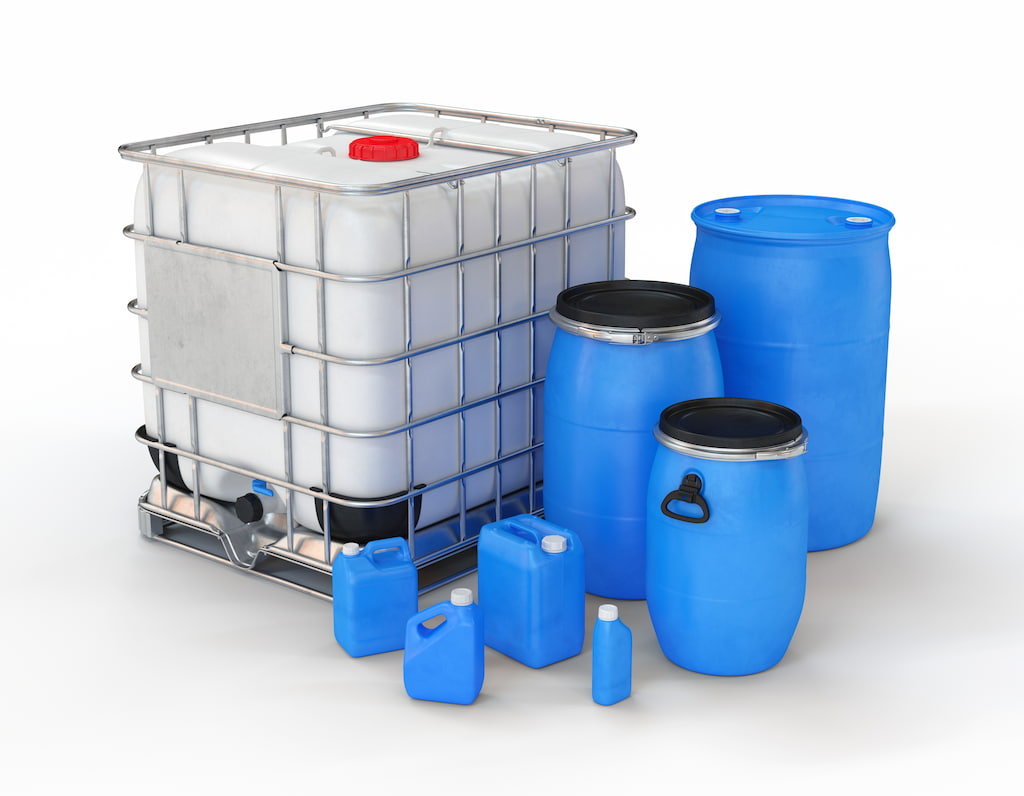
Intermediate Bulk Container or IBC is a container used to store different kinds of chemicals safely, preventing leaks, spills, and environmental contamination. These tanks come in various materials and sizes, depending on the chemical type and application.
IBC design often follows API 650, a standard outlining minimum requirements to ensure safe and reliable chemical storage without harming people or the environment. Since each chemical varies in corrosion level, flammability, and toxicity, the tank must be selected according to the specific chemical being stored.
IBC can be categorized into two main types:
-
Hazardous chemical tanks — used for flammable, toxic, acidic, or alkaline chemicals.
-
General-purpose tanks — used for water, oils, gases, and less hazardous substances.
Tank sizes vary widely, from small containers (1–10 liters) to medium (10–100 liters) and large (100–1,000 liters). Large-scale chemical storage must comply with the safety standards of the Department of Industrial Works to ensure safe handling.
Key Characteristics of IBC
IBC must be designed to be strong, stable, non-reactive, and resistant to corrosion. It should not degrade or allow chemical leakage.
The materials used to produce chemical storage tanks can be categorized into four main types:
- Plastic Tanks The most widely used option. Lightweight, cost-effective, and resistant to corrosion from many chemicals. HDPE, LDPE, and XLPE are commonly used resins due to their durability and long service life.
- Metal Tanks Usually made from stainless steel. They offer high resistance to corrosion and impact but may not be suitable for certain aggressive chemicals. They are heavier than plastic and fiberglass tanks.
- Fiberglass Tanks Corrosion-resistant, heat-resistant, rust-free, and lighter than metal and concrete tanks. Suitable for many industrial applications.
- Concrete Tanks Less commonly used today. Often require additional coatings to prevent leaks and protect against chemical corrosion.
When selecting a tank, the type of chemical is the most important factor to ensure the tank material is suitable for its intended use.
How to Choose a Safe IBC
-
Select a tank compatible with the chemicals being stored, ensuring no corrosion or harmful reactions.
-
Choose tanks that meet industrial standards for durability and leak prevention.
-
Ensure proper installation, especially for tanks requiring electrical systems, lightning protection, and safety monitoring equipment.
Benefit of HDPE IBC
InnoPlus by GC, GC’s high-quality plastic resin brand, has developed HDPE resins specifically for blow-molded large containers starting from 20 liters.
| Tanks Size | Recommended InnoPlus HDPE Grades |
| 20-100 liters | InnoPlus HD7200B |
| less than or equal to 200 liters | InnoPlus HD8200B และ HD9100B |
| Above 200 liters | InnoPlus HD7200B / HD7800B และ HD8200B |
| Up to 1,000 liters (e.g., IBC tanks) | InnoPlus HD7808B |
All InnoPlus by GC HDPE grades are high-density polyethylene resins with excellent processability and high environmental resistance. Key benefits include:
-
Strong, tough, and long-lasting
-
Excellent durability for various operating conditions
-
High resistance to corrosion from acids, alkalis, oils, and chemical solutions
-
Suitable for all chemical types — including food ingredients, pharmaceuticals, compost liquids, general chemicals, and hazardous chemicals
For manufacturers seeking high-quality, internationally certified HDPE resins for chemical tanks, GC provides advanced plastic innovations along with comprehensive technical support to meet your production needs.
References
- Chemical storage tanks – what are your options?. Retrieved on September 15, 2023, จาก https://industrialplastics.com.au/tank-storage.
- Chemical Storage Tanks: A Complete Guide. Retrieved on September 15, 2023, https://ironcladenvironmental.com/2023/07/10/chemical-storage-tanks-a-complete-guide/.