
What Is Monofilament Yarn and What Are Its Uses?
20 Jul 2023
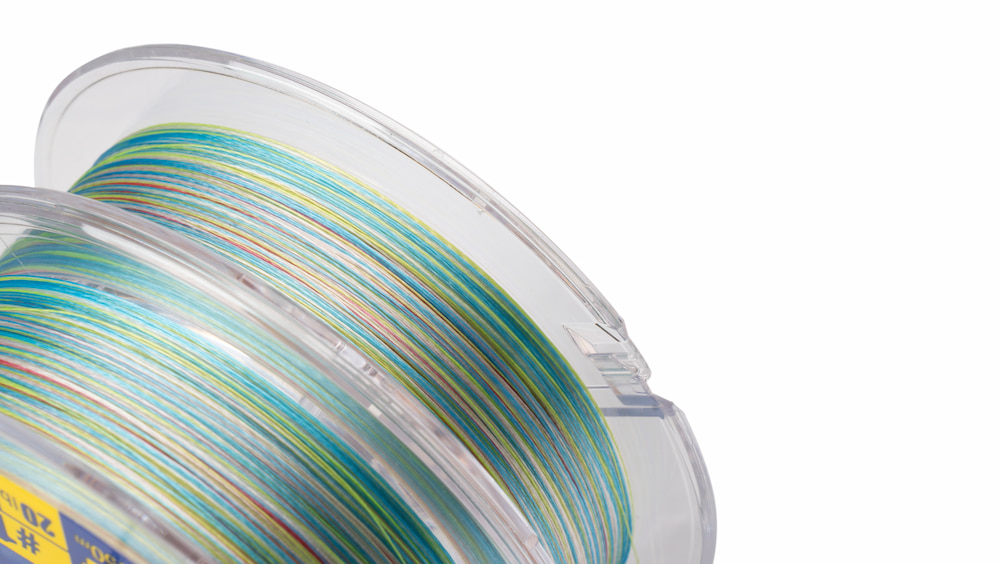
“Innovation” refers to newly created inventions that bring convenience and help solve various problems for humans. Modern innovations not only offer practical benefits but also help address environmental challenges. One such example is the innovation behind monofilament yarn production. Monofilament yarns are developed from materials that are strong, durable, and flexible—properties that allow them to be transformed into an unexpectedly wide range of products.
Understanding Synthetic Monofilament Yarn: Why It Can Be Used for So Many Purposes
Monofilament yarn is a synthetic fiber formed as a single continuous strand. It can be applied in various industries, including fisheries, agriculture, medicine, and textiles. Monofilament yarns are produced from several materials such as polyethylene (PE), nylon, polypropylene (PP), and fluoroplastics. More recently, innovation has expanded into creating monofilament yarn made from recycled plastics and environmentally friendly bioplastics. The material used determines the different properties of the yarn.
Although the raw materials differ, monofilament yarns share key characteristics: they are small in diameter, flexible, strong, durable, and transparent. In addition to being used as single-strand yarn, monofilament can also be twisted or spun into multi-strand forms such as two-ply, three-ply, or multi-ply yarns to enhance performance for specific applications.
Applications of Monofilament Yarn Across Industries
Thanks to its strength and durability, monofilament yarn is utilized in many industries, including the following:
Fishieries Industry
Fishing activities require equipment that is flexible, durable, resistant to tearing, and able to withstand both freshwater and saltwater environments. Crucially, the material must be nearly invisible underwater to avoid alerting fish or marine animals. This improves the efficiency of catching aquatic species.
For these reasons, monofilament yarn is used to produce ropes, nets, and seine nets for the fisheries industry. Its high strength and availability in various diameters allow it to withstand the pulling force from larger fish with excellent performance.
Agricultural Industry
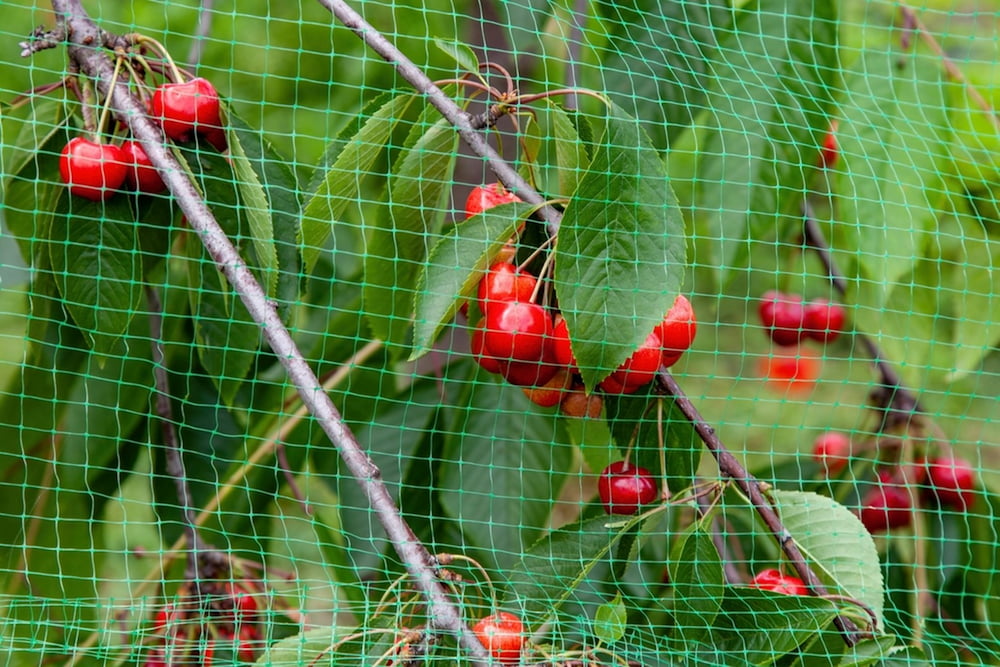
To achieve high-quality crop yields, farmers need tools that protect and maintain crop health against environmental conditions, weather, and pests. Monofilament yarn is used to create shade nets and insect-proof nets.
Due to its durability, environmental resistance, and versatile design options for agricultural fields of various sizes, monofilament shade and insect nets offer effective performance. They are also affordable, making them widely accessible.
Medical Applications
Many people may not realize that monofilament yarn also plays a role in the medical field. It is used to produce bandages and sutures. In dentistry, monofilament yarn is used to make dental floss and bristles for toothbrushes. These materials are stronger and more durable than typical fibers while still providing the gentle flexibility needed to protect gum and tooth health.
Textile Industry
Monofilament yarn is lightweight, breathable, and quick-drying, making it suitable for weaving into sportswear and outdoor clothing.
Innovation in monofilament yarn production has continued to advance, with polyester being developed into monofilament yarn that provides UV and sunlight protection. The level of protection depends on the type of fiber and the tightness or looseness of the weave. This is particularly beneficial for countries with hot and humid climates, such as Thailand. Such properties add value to the products and allow for higher pricing than standard apparel.
In addition to clothing, many footwear brands now use monofilament yarn to produce shoes that are lightweight and breathable—key characteristics required in sports footwear.
From Key Features to Versatile Applications
Today, monofilament yarn is used across many industries and produced from diverse materials to enhance specialized properties, including eco-friendly plastic options. Despite the differences in production, monofilament yarn remains affordable, lightweight, portable, easy to use, and reusable. Its versatility makes it suitable for applications ranging from electrical insulation—where it withstands heat and chemicals—to 3D printing, where its strength, durability, and low weight are essential.
Monofilament yarn is one of the continuously advancing material innovations, with ongoing improvements to enhance performance.
GC’s Monofilament Yarn Solutions
As one of Thailand’s leading plastic resin manufacturers, GC offers products and solutions tailored to industry needs. GC has developed InnoPlus HD5000S, a resin specifically designed for producing synthetic monofilament yarn. It enhances yarn strength, flexibility, processability, and durability while reducing production waste. This resin is ideal for producing ropes, nets, and fishing gear in the fisheries industry, as well as shade nets, insect nets, and woven sacks in the agricultural industry.
GC aims to be a partner in driving industrial potential forward. Choose the right solution for your business with us.
References
- “Monofilament”: A Tool for Leprosy Patients. Retrieved July 4, 2023, from https://mgronline.com/qol/detail/9530000005080
- Yarn and thread manufacturing methods for high-performance apparel. Retrieved July 4, 2023, from https://www.sciencedirect.com/topics/engineering/monofilament
- Properties and Compatibility of Artificial “Tapered-Tip” Monofilament for Sensory Testing in Diabetic Patients: A Pilot Study. Retrieved July 4, 2023, from https://www.rehabmed.or.th/main/wp-content/uploads/2014/03/L-290.pdf
- Nylon vs Polyester: Resistance to Water, Fire, Sun (UV) and Mildew. Retrieved July 4, 2023, from https://www.jasonmills.com/blog/nylon-vs-polyester/#:~:text=Polyester%20has%20a%20higher%20flammability,fades%20when%20exposed%20to%20sunlight.